Shopping Basket
Your basket is currently empty.


Sooner or later, every rider needs to top up their engine oil. It sounds like a simple enough job; grab a bottle off the garage shelf and glug a bit in. However, motorcycle engines contain many moving parts that need the right type of lubricant to function smoothly.
Choosing the correct grade of oil can feel like trying to crack a code. What is 10W-40? Is it different from JASO MA2? What exactly does API SP mean? The good news is that these letters and numbers are telling you something useful, and they're far simpler to understand than they seem.
Using one of the various oil ranges we stock as an example, we’ll guide you through the letters, numbers and jargon, so you can choose oil with confidence.
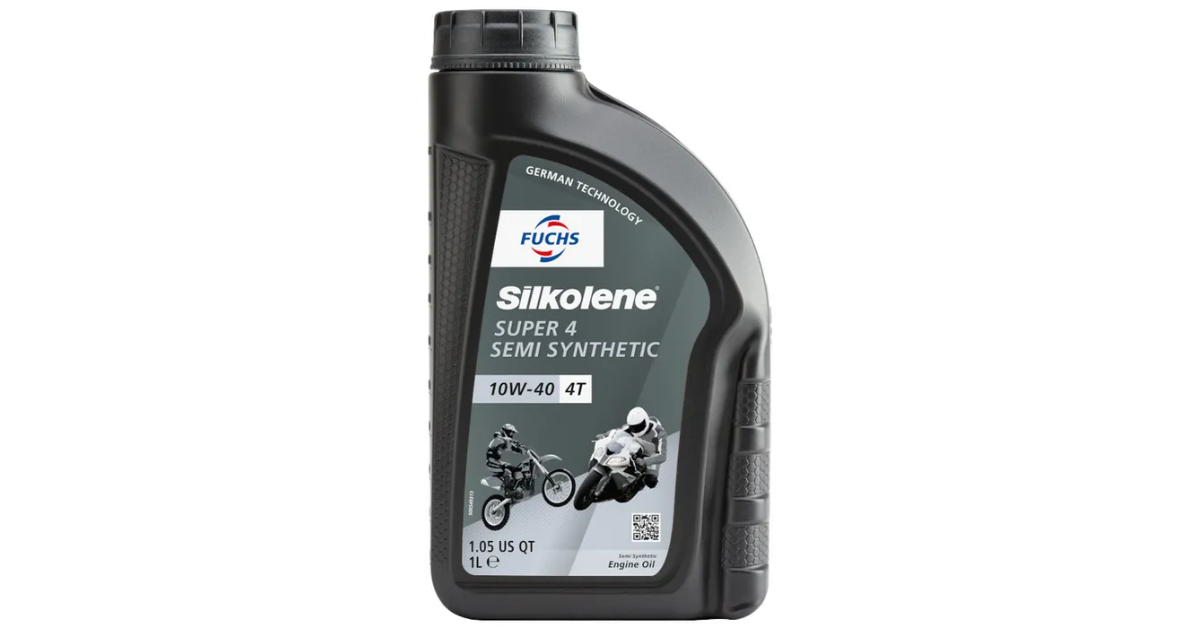
Looking at this popular 10W-40 oil, the W stands for Winter, and the number before it describes how readily the oil flows when everything is cold. The lower the number, the easier it will flow in colder conditions.
The second number describes how thick the oil remains once the engine is hot and working hard. An oil that manages both is called a ‘multigrade’, which is what nearly everything on the shelf is these days.
Which pair of numbers your bike wants isn't a matter of taste; it's in the handbook, chosen by the people who designed the engine.
This tells you what the oil is made from. Mineral oil is refined straight from crude. Fully synthetic is engineered in a laboratory from uniform, purpose-made molecules that cope far better with heat and hard use. Semi-synthetic blends the two: the idea being you get some of the benefits of a fully synthetic, for less money.
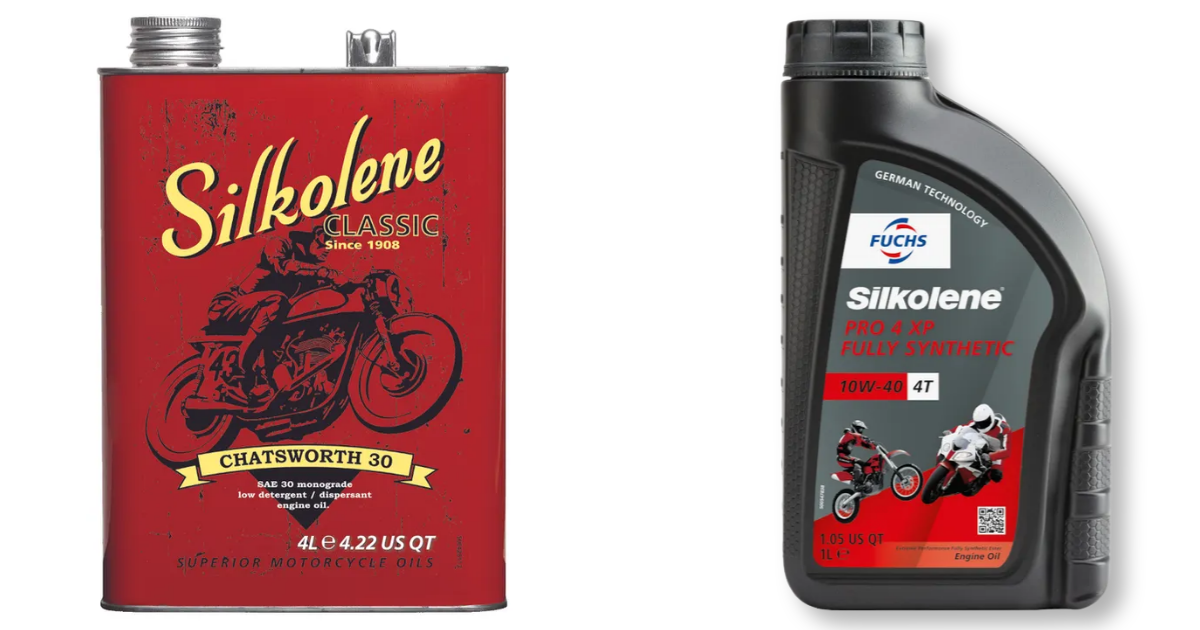
Which one suits your machine comes down largely to its age. Classic bikes are happiest on a simple mineral oil (and often a monograde). Older engines were built before paper oil filters were common, and used things like sludge traps or gauze to filter the oil. These work best with a low-detergent oil that lets dirt particles settle, which is the opposite of what a modern detergent oil is designed to do. Silkolene's Chatsworth 30 and 40 are made for exactly that job.
Most everyday machines sit comfortably in the middle, on a semi- or part-synthetic: Silkolene's Super and Comp tiers. The latest generation, high-performance engines, with their tighter tolerances, higher revs and higher temperatures, are the ones that really repay a fully synthetic such as the Pro range, with the Race tier above it for competition use.
Again, your handbook will point you in the right direction. Or ask a franchised dealer, like Fowlers.
On a motorcycle, the sump is also feeding the gearbox and a ‘wet’ clutch, so the oil has to be slippery enough to protect the engine but grippy enough to allow the clutch to bite. That's what the JASO rating on the back of the bottle certifies. JASO MA, and the higher MA2, are what a conventional bike asks for.
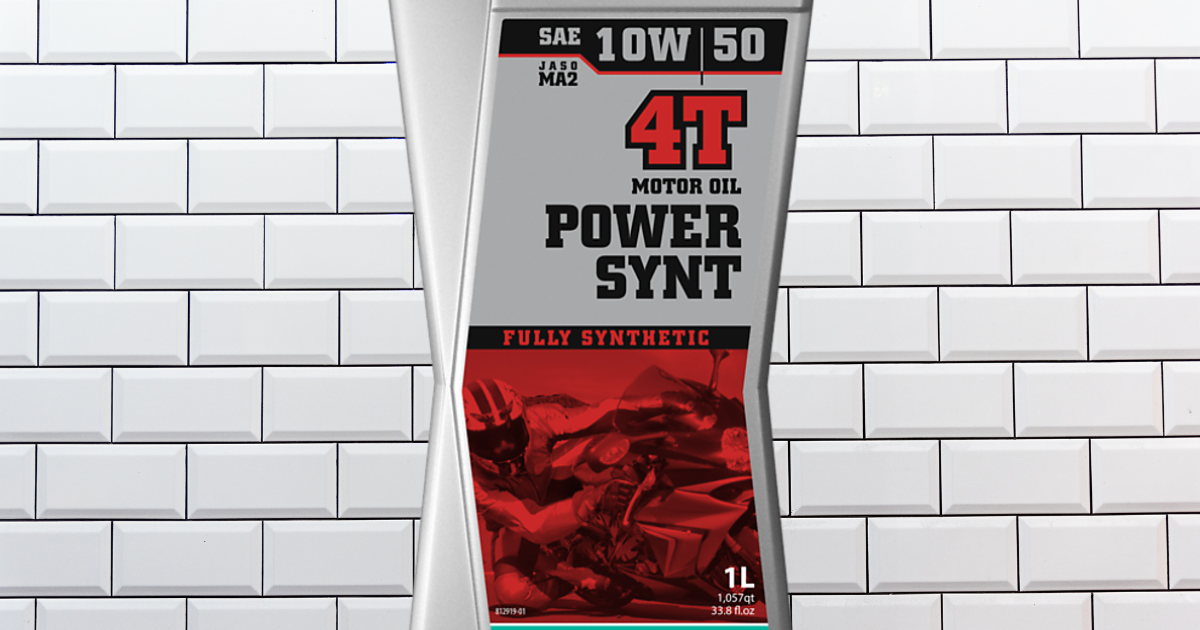
You might see an API rating too, such as SP or SN, describing the oil's general performance level. The American Petroleum Institute (API) rates oil blends to assure that they meet the minimum performance standards of manufacturers. “S” covers petrol engines and the following letter indicates a date, e.g. “N” is for vehicles manufactured after 2010.
It's also why that bottle of car oil isn't a stand-in if you don’t have the correct grade to hand. Plenty of modern car oils contain friction modifiers that suit a car, but won't work with a ‘wet’ clutch, so a bottle marked for motorcycles is the one you want.
The short version
When the level needs topping up, check the handbook, match the grade and the ratings, and use something made for the engine you've got.
Fowlers Parts stocks the Silkolene motorcycle engine oil range, from classic oils through to fully synthetics, and you’ll find an even wider selection in our Bristol showrooms. And when your bike is due its service, our workshop will take care of the rest.
Sign up to our newsletter, to receive a 10% OFF code to use on Clothing & Accessories plus all the latest news offers and more.